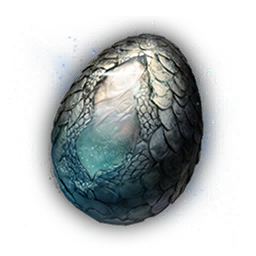
- Holy
Abyssal Dragon Egg
Construction Material
Item database
Decide what to bring into a hunt and what to keep, use, sell, or open after extraction. Search by the official name, filter by category, rarity, source, or use, then hover or focus a card for its in-game description, value, and acquisition clues.
Showing 1–36 of 503 items
Construction Material

Construction Material
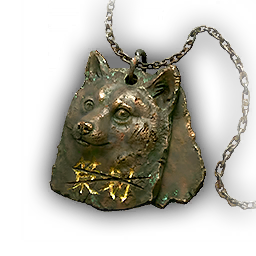
Collectible
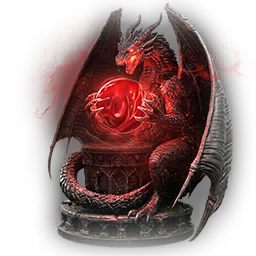
Construction Material
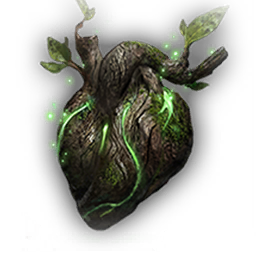
Construction Material
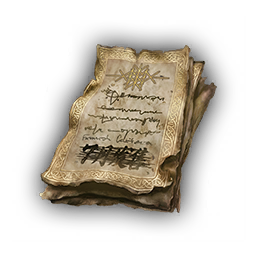
Collectible

Soulcatch Material
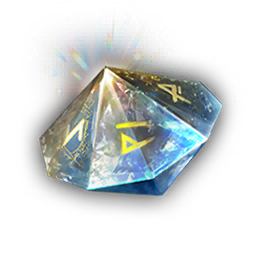
Construction Material

Forging Material

Construction Material
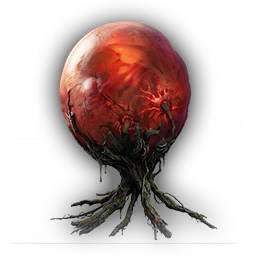
Construction Material
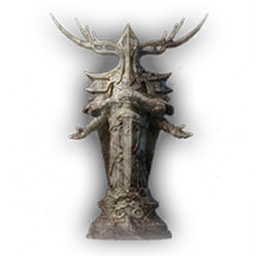
Construction Material
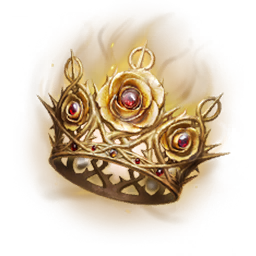
Construction Material
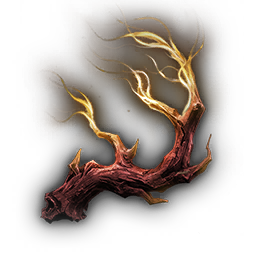
Forging Material
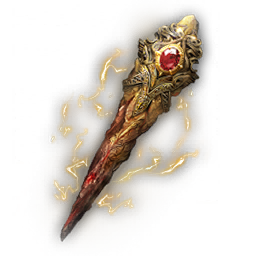
Construction Material

Construction Material

Construction Material

Construction Material
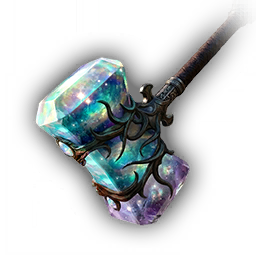
Construction Material
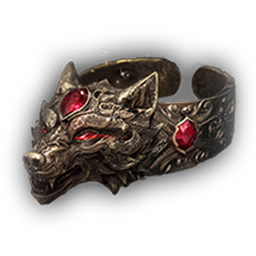
Construction Material
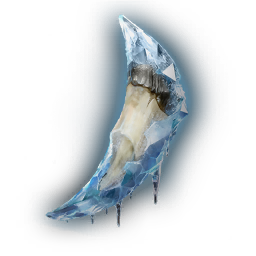
Forging Material
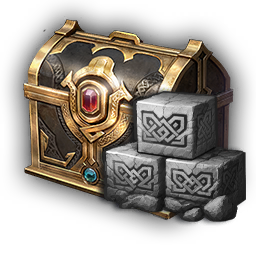
Chest
Chest
Chest
Chest
Voucher
Voucher
Voucher
Voucher
Voucher
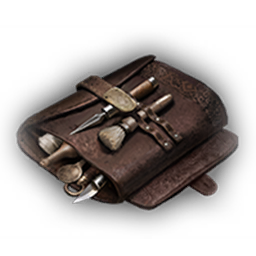
Voucher
Voucher
Voucher
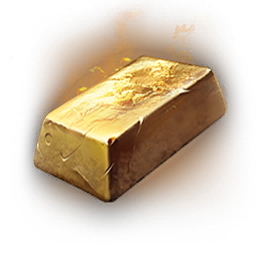
Forging Material
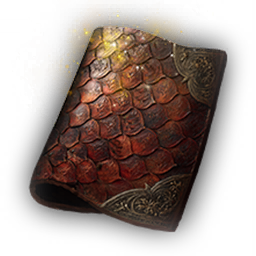
Forging Material
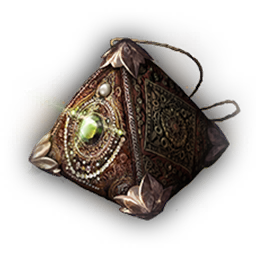
Construction Material
Mistfall Hunter asks you to make item decisions at several different moments: before entering a hunt, while protecting limited inventory space, and after returning to camp. The useful question is rarely just “what is this item?” You may need to know whether a material is required by a current recipe, whether a key opens access elsewhere, whether a consumable can be traded, or whether a resource should be kept for a building upgrade. This database keeps those questions together. Its 503 ordinary items cover materials, consumables, containers, keys, vouchers, quest and raid objects, extraction resources, and other special items. Affix gems and equipment remain separate because their sockets, compatibility, and variant rules need dedicated views rather than being mixed into an inventory list.
Start with the filters when you are clearing a crowded stash or planning the next trip. Category and rarity narrow the list by the properties players actually recognize. Source-and-use filters reveal items tied to shops, crafting recipes, tasks, building upgrades, or containers. Sorting by value, maximum stack, rarity, or official name supports different decisions. Hover an item, focus it with the keyboard, or tap it on a touch screen to open the same compact information layout used by the game. The database keeps the current search, filters, sort, page, and scroll position while you inspect several tooltips in sequence.
Each item tooltip follows the game's visible Item Tips structure: official localized name, item type, icon, use text, flavor description, listed acquisition sources, and the in-game value when those fields are present. Internal persistence flags, storage rules, table identifiers, and other mined fields that the game does not show in this tooltip are deliberately excluded. Variants with the same player-facing identity stay grouped in the collection instead of becoming unexplained duplicate pages.
The Value field is a static game property, not a live quotation from a player market. Market prices can move with supply, demand, region, season, and time, so showing an undated number as a current price would make a planning page less trustworthy. The database therefore does not calculate profit from an unverified market feed. It also does not invent drop rates. A container can show fixed contents and possible contents when those relationships are known, but a possible result is not presented as equally likely or assigned a percentage unless the full probability and roll behavior can be reproduced. Clear labels separate fixed, possible, and bound outcomes so you can use confirmed information without mistaking an unknown for a zero.
Source-and-use filters turn a flat item list into a planning reference without filling the tooltip with website-only database fields. A player can isolate materials connected to recipes, building upgrades, shops, tasks, or containers, then hover the remaining cards to read the acquisition text the game itself displays. This answers the first practical question—where an item comes from—while keeping the visual information familiar during a hunt.
Not every relationship proves the same thing. A shop offer confirms an exchange, but it does not promise that the offer is currently available under every account or progression state. A task connection does not by itself establish a repeatable farm. A possible container reward says that the item is one of that container's possible rewards, not how often it is selected. When a quantity, condition, or probability cannot be verified, the page omits that claim instead of filling the gap with an estimate. Use the database to verify identity, properties, and connected uses; then combine those facts with your current camp level, unlocked tasks, available currency, and space before deciding what to buy, open, carry, or keep.